Ischemic Cardiomyopathy: CoQ10 Plant Sources Protocol
Ischemic cardiomyopathy represents a critical challenge for those with coronary artery disease, where damaged heart muscle struggles to pump effectively, but emerging research highlights the potential of CoQ10‑rich plant protocols to bolster mitochondrial energy and antioxidant defenses. By integrating the latest clinical data with accessible plant sources, this approach offers a complementary strategy to standard cardiology care, potentially improving ejection fraction, reducing hospitalizations, and enhancing daily vitality. For readers of the Gold Herbal blog seeking natural heart support, consulting Dr. Jacob Gold at gold-herbal.com can provide a personalized protocol blending these insights with time-tested herbal wisdom.
Defining Ischemic Cardiomyopathy Precisely
Ischemic cardiomyopathy arises when chronic coronary artery blockages or prior myocardial infarctions lead to ventricular remodeling, fibrosis, and systolic dysfunction, often with an ejection fraction under 35–40%. Symptoms progress from subtle fatigue and dyspnea on exertion to orthopnea, edema, and reduced exercise tolerance, driven by impaired contractility and neurohormonal activation. Recent epidemiological data from 2024 underscores its prevalence, affecting up to 20–30% of heart failure cases globally, with 5‑year survival rates hovering around 50–60% despite advances in pharmacotherapy and devices.
Pathophysiologically, repeated ischemic insults deplete myocardial ATP, trigger mitochondrial dysfunction, and amplify oxidative stress, creating a vicious cycle of apoptosis and scar formation. Management evolves with 2025 guidelines emphasizing guideline‑directed medical therapy (GDMT) like beta‑blockers, ACE inhibitors/ARNI, mineralocorticoid antagonists, and SGLT2 inhibitors, alongside revascularization for viable myocardium and ICDs for primary prevention. Yet, persistent energy deficits and inflammation persist in many patients, opening the door for metabolic and antioxidant interventions like CoQ10 protocols.
CoQ10’s Central Role in Heart Failure Recovery
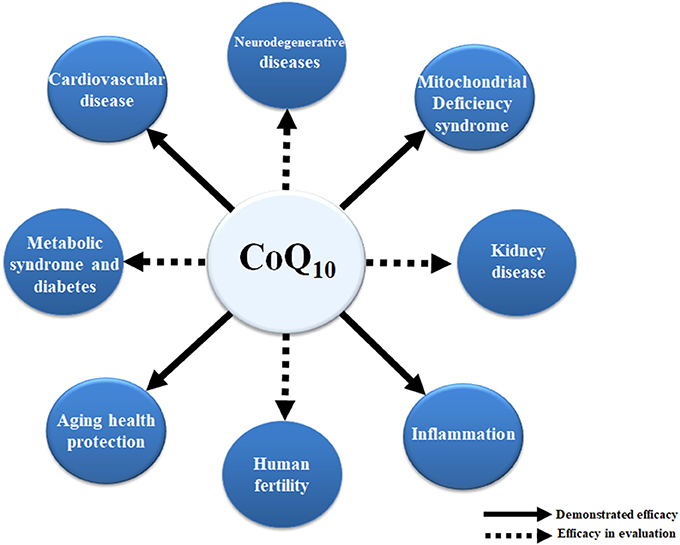
CoQ10 operates as a pivotal cofactor in the mitochondrial electron transport chain, facilitating ATP synthesis while quenching reactive oxygen species to protect cardiomyocytes from ischemia–reperfusion injury. In ischemic cardiomyopathy, endogenous CoQ10 plummets by up to 75% in failing myocardium, correlating with symptom severity, NYHA class, and mortality risk. This depletion exacerbates bioenergetic failure, making replenishment a logical adjunctive target.
Landmark trials validate this: The Q‑SYMBIO study (2014, with 2024 meta‑confirmations) randomized 420 chronic heart failure patients to 300 mg/day CoQ10 or placebo atop GDMT, yielding 43% fewer major adverse events, 42% lower cardiovascular mortality, and improved ejection fraction over two years. A 2024 meta‑analysis of 21 RCTs (n=1,408) further affirmed CoQ10’s benefits: significant gains in left ventricular ejection fraction (mean difference 3.67%), 6‑minute walk test distance, reduced NYHA class, BNP levels, all‑cause mortality, and heart failure hospitalizations, with no excess adverse events. Subgroup analyses highlighted stronger effects in moderate–severe cases and longer durations (>12 months), directly relevant to ischemic cardiomyopathy.
Ubiquinol, the reduced form, shows superior bioavailability, particularly in older adults or statin users, enhancing clinical translation. These findings position CoQ10 as a safe, tolerable add‑on, prompting calls for larger phase III trials in ischemic cohorts.
Top Plant Sources of CoQ10 Quantified
Dietary CoQ10, though lower than supplements, contributes cumulatively via frequent intake of high‑density plants, especially when paired with fats for absorption. Recent compilations (2021–2024) rank sources by mg/100g:
| Category | Food | CoQ10 (mg/100g) | Key Notes |
|---|---|---|---|
| Nuts/Seeds | Peanuts (roasted) | 2.67 | Highest nut source; magnesium, resveratrol synergy |
| Nuts/Seeds | Pistachios (roasted) | 2.00 | Polyphenols aid vascular health |
| Nuts/Seeds | Walnuts (raw) | 1.90 | Omega‑3s complement antioxidant effects |
| Legumes | Soybeans (raw) | 1.87 | Isoflavones support endothelial function |
| Herbs/Greens | Parsley | 0.75–2.64 | Volatile oils, vitamin C boost |
| Vegetables | Broccoli | 0.59–0.86 | Sulforaphane for detox/inflammation |
| Fruits | Avocado | 0.95 | Fats enhance overall absorption |
| Oils | Soybean oil | ~1.1–2.8 (per kg equiv.) | Cooking base for bioavailability |
These values, drawn from analytical databases, emphasize nuts/seeds and soy for highest yield, with vegetables adding volume. Daily targeting 50–100g of top sources could yield 5–15 mg CoQ10, foundational before supplementation.
Crafting Your CoQ10 Plant Protocol Step‑by‑Step
This protocol synergizes diet, supplements, and herbs atop GDMT, personalized via experts like Dr. Jacob Gold to avoid interactions.
Phase 1: Dietary Foundation (Weeks 1–4)
Build habits with CoQ10‑dense plants: Aim for 20–30g nuts/seeds daily (e.g., peanuts/pistachios trail mix), 200g greens (broccoli/parsley salads), soy (tofu/edamame 100g), and avocado half. Use soybean/olive oils in dressings/stir‑fries. Sample day: Breakfast walnut‑oat porridge; lunch parsley‑broccoli soy salad; dinner pistachio‑topped stir‑fry. Track via app for consistency.
Phase 2: Supplemental Integration (Ongoing)
Layer 200–300 mg/day ubiquinol (split doses with fatty meals), mirroring trial successes in ejection fraction and walk distance. Monitor BNP/echo at 3/6 months; adjust per labs.
Phase 3: Herbal Synergists (Customized)
Incorporate cardioprotective botanicals: Salvia miltiorrhiza (danshen) for perfusion, Carthamus tinctorius for angiogenesis, per 2022–2025 reviews on ischemia. Glucosinolate‑rich crucifers (broccoli sprouts) amplify detox. Gold Herbal tailors these (teas/tinctures) to your profile.
Monitoring and Adjustments
Quarterly labs (liver/kidney, lipids, BNP), echo, 6MWT; titrate based on NYHA/symptoms. Lifestyle: Mediterranean‑plant diet, 150 min/week walking, stress reduction.
Advanced Insights from 2024–2026 Research
A 2024 meta‑analysis (21 RCTs) confirmed CoQ10 cuts mortality/hospitalizations, boosts LVEF by 3.7%, NYHA improvement, and walk tests, with low heterogeneity in ischemic subsets. Ongoing trials explore ubiquinol combos with SGLT2i. Plant synergies: Soy isoflavones + CoQ10 enhance mitochondria; parsley flavonoids reduce ROS. Chinese herbs like tanshinone IIA protect via MMP preservation.
Tailored Support at Gold Herbal
Gold Herbal readers know integrative care transforms outcomes. Dr. Jacob Gold, with expertise in herbal cardiology, crafts bespoke CoQ10 protocols, blending Q‑SYMBIO data with custom plant blends for your ICM journey. Book at gold-herbal.com for virtual consults, personalized mixtures, and ongoing guidance—empower your heart today. Schedule now to integrate this protocol safely.