Stomach Cancer from Meat Products: Facts and Figures
Stomach cancer, or gastric cancer, remains one of the most serious health concerns worldwide. It is a leading cause of cancer-related deaths, with its roots deeply tied to a variety of risk factors, one of which is the consumption of certain meat products. As modern diets evolve, so does our understanding of the link between food and cancer, particularly regarding processed and red meat. This article explores the facts, figures, and current research on stomach cancer and its connection to meat products.
Understanding Stomach Cancer
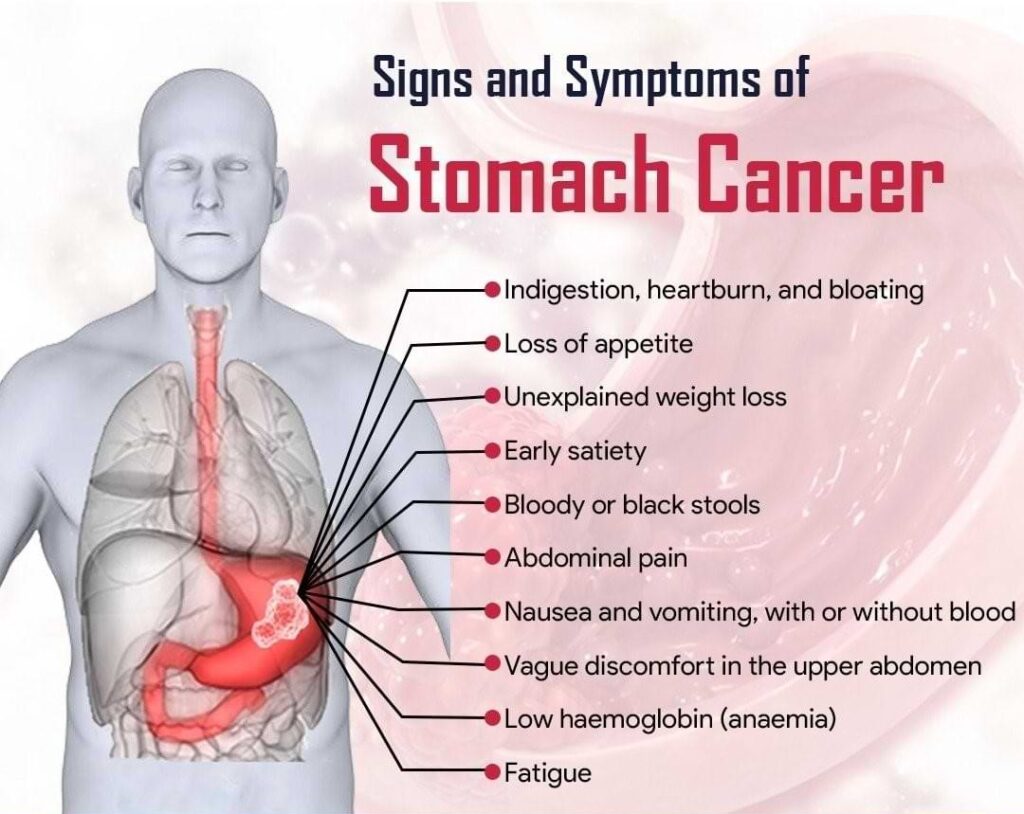
Stomach cancer occurs when malignant cells form in the tissues lining the stomach. Often, by the time symptoms manifest, the cancer has already advanced, which makes it particularly lethal. The risk factors for stomach cancer are diverse and can include genetics, chronic infection with Helicobacter pylori (a bacterium linked to stomach ulcers), smoking, alcohol consumption, and diet, particularly the intake of certain foods.
The Link Between Meat Products and Stomach Cancer
1. Processed and Red Meat
Processed meats are meats that have been preserved through methods such as salting, curing, fermenting, or smoking. Common examples include bacon, sausages, hot dogs, and deli meats. Red meats, such as beef, lamb, and pork, are those that are derived from mammals and have a darker color when raw.
The connection between meat consumption, especially processed and red meat, and stomach cancer has been the subject of intense research. The World Health Organization (WHO) has classified processed meats as a Group 1 carcinogen, meaning there is sufficient evidence to conclude that they can cause cancer in humans. Red meat is classified as a Group 2A carcinogen, which means it is probably carcinogenic to humans based on limited evidence.
2. How Meat Products May Contribute to Stomach Cancer
There are several mechanisms through which meat products might contribute to the development of stomach cancer:
- Nitrates and Nitrites: Many processed meats contain nitrates and nitrites, which are preservatives. These compounds can convert into carcinogenic substances known as nitrosamines when they are exposed to high heat, such as during cooking or smoking.
- Heterocyclic Amines (HCAs) and Polycyclic Aromatic Hydrocarbons (PAHs): These chemicals are formed when meats, especially red meats, are cooked at high temperatures. HCAs and PAHs have been shown to cause changes in DNA that can lead to cancerous cell growth.
- Iron: Red meat is rich in heme iron, which may promote cancer by generating free radicals in the stomach. Free radicals can damage cells and lead to mutations.
- Inflammation: Processed meats have been linked to chronic inflammation, which is another risk factor for cancer development. The preservatives and chemicals in processed meats can trigger inflammatory responses that promote cancer growth.
Epidemiological Evidence
1. Global Incidence Rates
Stomach cancer remains a significant global health issue, with varying incidence rates across regions. According to the International Agency for Research on Cancer (IARC), stomach cancer is the fifth most common cancer worldwide, with an estimated 1 million new cases annually. However, it is also one of the most preventable cancers, especially through dietary modifications.
Countries with the highest rates of stomach cancer are typically found in East Asia, particularly Japan, China, and South Korea, as well as parts of Eastern Europe and South America. The rates are generally lower in North America and Western Europe, though cases of stomach cancer are still significant.
2. Correlation with Meat Consumption
There is a strong correlation between meat consumption and the incidence of stomach cancer, especially in countries with high levels of processed meat consumption. For instance, in Japan, where processed meat consumption has risen in recent decades, the rates of stomach cancer have also seen a concerning increase.
Conversely, countries with lower meat consumption, such as some parts of Africa and India, have relatively lower rates of stomach cancer. This suggests that dietary patterns play a crucial role in the development of gastric cancer.
3. Risk Assessment: Processed and Red Meat
Several large-scale cohort studies have provided insight into the relationship between meat consumption and cancer risk. One such study, the European Prospective Investigation into Cancer and Nutrition (EPIC), followed more than half a million individuals across 10 European countries. The study found that higher consumption of processed meat was associated with an increased risk of stomach cancer, with a particularly strong effect in individuals who smoked.
A meta-analysis published in the journal Cancer Epidemiology, Biomarkers & Prevention in 2015 analyzed data from 16 studies and concluded that individuals who consumed processed meat regularly had a significantly higher risk of developing gastric cancer compared to those who consumed little to no processed meat.
Meat Consumption and Cancer Prevention
Given the evidence linking meat consumption to stomach cancer, reducing intake of certain meat products may be a proactive measure in preventing gastric cancer. Several health organizations, including the American Cancer Society, recommend limiting the consumption of red and processed meats.
- Moderation: Rather than eliminating meat entirely, moderation is key. The American Institute for Cancer Research (AICR) suggests that if people choose to eat red meat, they should limit their intake to no more than 18 ounces (cooked weight) per week. They also recommend avoiding processed meats altogether.
- Healthy Cooking Methods: If meat is consumed, cooking methods can significantly influence its potential to cause harm. Grilling, frying, or barbecuing meat at high temperatures should be avoided, as these methods produce harmful chemicals. Instead, baking, steaming, or slow cooking are healthier options.
- Plant-Based Diets: Increasing the intake of plant-based foods, such as fruits, vegetables, whole grains, and legumes, can help reduce the risk of stomach cancer. These foods are rich in antioxidants, fiber, and phytochemicals, all of which have protective effects against cancer.
Key Figures and Statistics
- Stomach Cancer Incidence: According to the Global Cancer Observatory (GCO) 2020, there were 1,089,103 new cases of stomach cancer worldwide.
- Mortality Rate: Stomach cancer is the third leading cause of cancer-related deaths, responsible for approximately 769,000 deaths annually, as reported by the GCO.
- Processed Meat Consumption: Studies have shown that for every 50-gram portion of processed meat consumed daily, the risk of developing stomach cancer increases by 18%.
- Red Meat Consumption: For red meat, the risk increase is less pronounced but still significant. The International Agency for Research on Cancer (IARC) estimates that every 100-gram daily serving of red meat increases the risk of stomach cancer by about 17%.
Conclusion
The link between meat products, particularly processed and red meats, and stomach cancer is well-established by scientific research. While many factors contribute to the development of gastric cancer, dietary habits, particularly the consumption of meat, play a crucial role. By limiting processed and red meat consumption, adopting healthier cooking practices, and increasing the intake of plant-based foods, individuals can lower their risk of developing stomach cancer.
While stomach cancer remains a global health challenge, preventive measures based on dietary modifications offer a promising approach to reducing the incidence of this deadly disease. Further research will continue to explore the intricate connections between diet, genetics, and cancer, but the evidence to date strongly supports the idea that moderation in meat consumption is a key factor in cancer prevention.